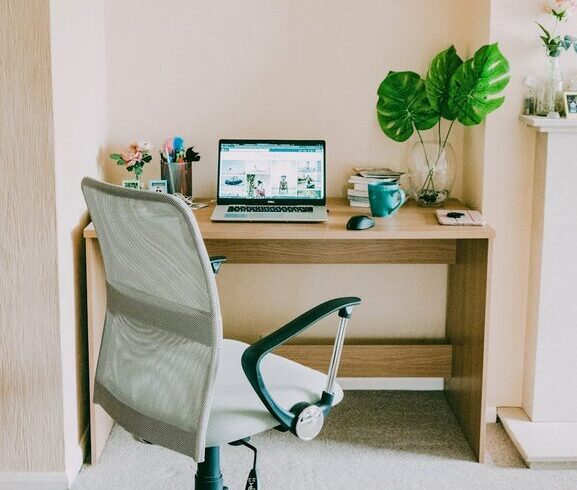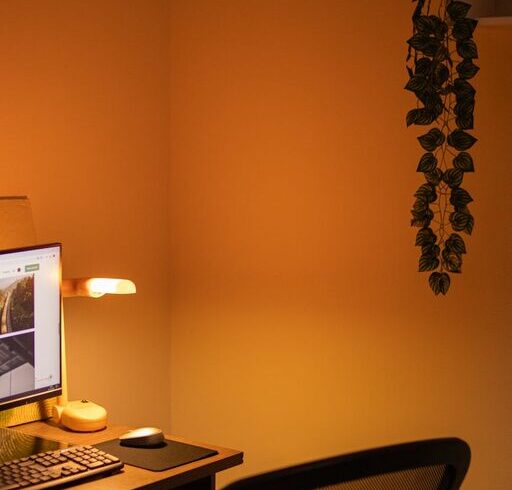
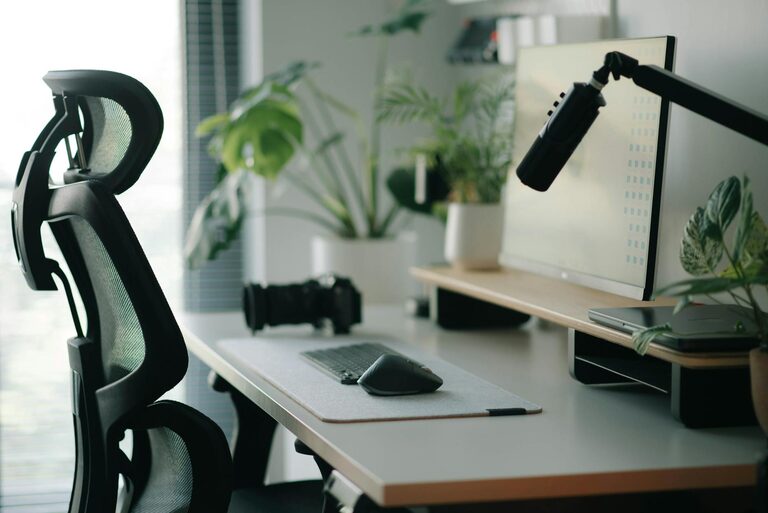
Creating a home office that is both comfortable and productive can make a significant difference in your work-from-home experience. Whether you’re a remote worker, freelancer, or simply need a dedicated space for tasks, having the right environment supports focus and wellbeing. Here are some helpful tips to design a workspace that suits your needs and keeps you motivated.
Choose the Right Location
Selecting the ideal spot for your home office is the first step. Consider the following:
– Quiet Area: Look for a space away from high-traffic zones to minimize distractions and noise.
– Natural Light: Position your desk near a window if possible. Natural light reduces eye strain and creates a more cheerful atmosphere.
– Space Availability: Make sure the area can accommodate your desk, chair, and any tools or storage you need.
Invest in Comfortable Furniture
Comfort is key for long hours spent working. Focus on:
– Ergonomic Chair: A chair that supports your posture helps prevent back and neck pain.
– Appropriate Desk Height: Your desk should allow you to keep your arms at a 90-degree angle comfortably while typing.
– Adjustable Options: Chairs or desks with adjustable features let you personalize your setup.
Optimize Lighting
Proper lighting reduces eye fatigue and increases alertness.
– Use Layered Lighting: Combine overhead lights with task lighting like desk lamps.
– Reduce Glare: Position screens so they aren’t directly in front of or behind windows.
– Choose Warm or Neutral Light: Avoid harsh fluorescent lighting that can create discomfort.
Keep Your Workspace Organized
A tidy desk keeps your mind clear and workflow smooth.
– Declutter Regularly: Remove unnecessary items to maintain a neat environment.
– Use Storage Solutions: Shelves, drawers, and organizers help keep supplies at hand but out of the way.
– Cable Management: Use clips or sleeves to prevent tangled cords.
Personalize Your Space
Adding personal touches makes your home office inviting.
– Add Plants: Greenery can improve mood and air quality.
– Decorate Thoughtfully: Artwork or photos can inspire creativity without overwhelming.
– Use Comfortable Textiles: A soft rug or cushions increase coziness.
Minimize Distractions
Staying focused requires managing your environment.
– Set Boundaries: Let family members know your work hours to avoid interruptions.
– Limit Noise: Use noise-cancelling headphones or white noise machines.
– Turn Off Non-Work Devices: Keep social media and unrelated notifications off during work time.
Technology Setup
Make sure your technology supports your work efficiently.
– Reliable Internet Connection: A strong connection avoids frustration and delays.
– Multiple Screens: If you handle lots of information, extra monitors can boost productivity.
– Organized Desktop: Keep your computer files and apps well arranged for easy access.
Maintain a Healthy Routine
Your physical and mental wellbeing support productivity.
– Take Regular Breaks: Step away every hour to stretch and refresh your mind.
– Stay Hydrated and Nourished: Keep water and snacks nearby.
– Incorporate Movement: Consider a standing desk or take short walks during the day.
Final Thoughts
Designing a comfortable and productive home office takes time and attention to detail. Focus on a location that suits your lifestyle, invest in quality furniture, and create an environment that inspires and supports you. Remember, the goal is to make your workspace a place where you can work efficiently while feeling comfortable and motivated.
With these tips, you’re well on your way to building a home office that feels just right. Happy working!